The Simple Habits That Separate High Performing MSPs
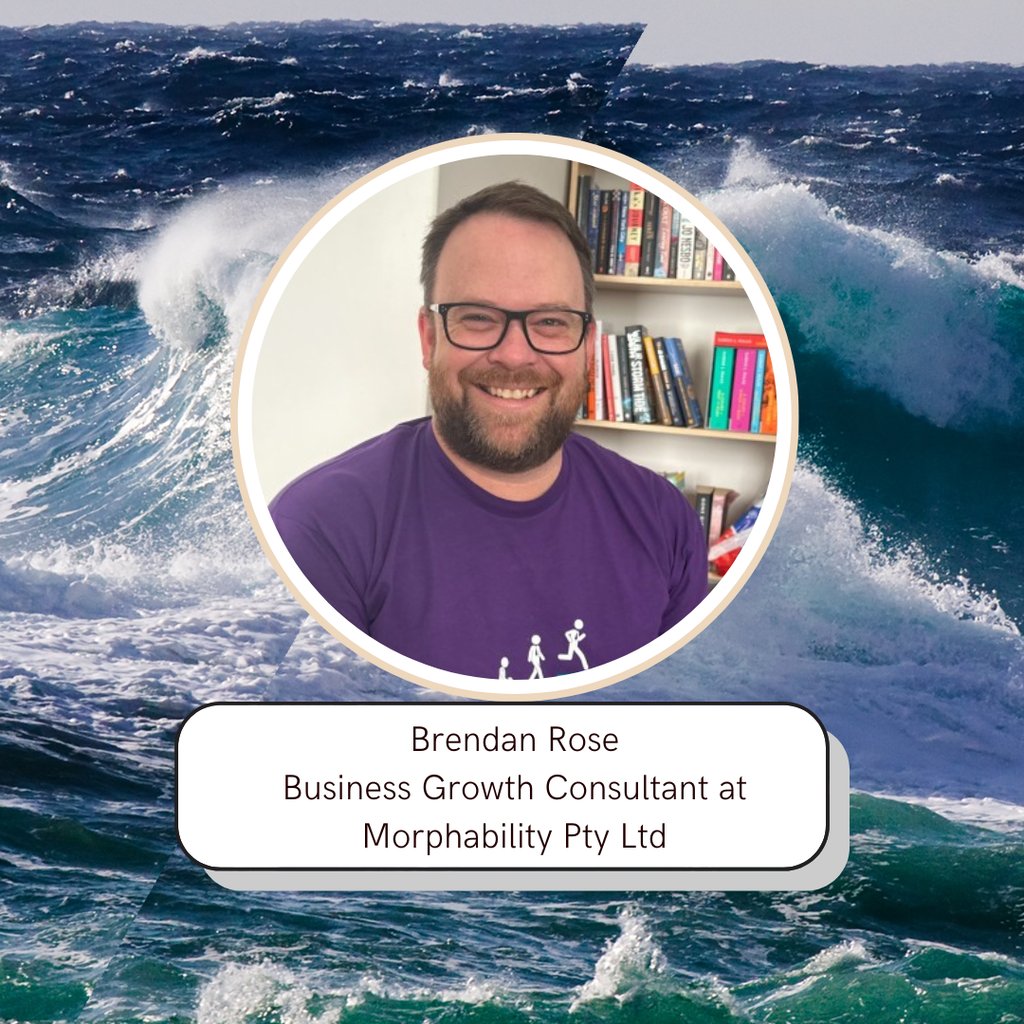
In the world of managed services, complexity is everywhere. Tools, processes, SLAs, automation, and security frameworks often take centre stage, but after thirty years building and scaling our own Australian MSP together, Nick and I have learned a fundamental truth. Success is not about the most advanced technology. It is about the consistency of your operations and the quality of your client experience. In our very first episode of MSP Mastery: Ctrl Alt Deliver, we sat down with Brendan Rose from Morphability to discuss how the basics of service delivery are often the very things that separate the masters from the rest of the pack.
MSP Mastery
4/2/20265 min read
The Simple Habits That Separate High Performing MSPs
In the world of managed services, complexity is everywhere. Tools, processes, SLAs, automation, and security frameworks often take centre stage, but after thirty years building and scaling our own Australian MSP together, Nick and I have learned a fundamental truth. Success is not about the most advanced technology. It is about the consistency of your operations and the quality of your client experience. In our very first episode of MSP Mastery: Ctrl Alt Deliver, we sat down with Brendan Rose from Morphability to discuss how the basics of service delivery are often the very things that separate the masters from the rest of the pack.
Brendan brings a wealth of experience, having scaled an MSP from a small team of six to a powerhouse of sixty. His journey mirrors much of what Nick and I have seen throughout our three decades as business owners. We wanted to dive into the practical, real world behaviours that directly impact your bottom line and your reputation. As we often say at MSP Mastery, you can have the best technical skills in the world, but if your service delivery is fractured, your business will struggle to scale.
The Communication Gap and the Power of the Phone Call
One of the most common pain points we see in the MSP space is the breakdown of communication between the engineer and the client. Brendan highlighted a scenario that is all too familiar to any service manager. A ticket is logged, an engineer works on it in the background, resolves the issue, and closes the ticket without ever speaking to the client. From a technical standpoint, the job is done. From a service delivery standpoint, it is a failure.
Nick and I have always advocated for a client first communication model. If a client only hears from you when they get an invoice, you are a utility, not a partner. Brendan’s advice to simply pick up the phone is a gold nugget that every service manager should enforce. Calling the client when you start the work, providing updates if the timeline shifts, and confirming satisfaction upon completion creates a level of transparency that builds immense trust. It is about making the client feel heard and looked after, which is the cornerstone of a high performing MSP.
Mastering Engineer Personas and Accountability
Managing a technical team requires more than just technical oversight; it requires leadership and an understanding of human behaviour. During our chat, we explored the various personas that can disrupt a service desk. We discussed the ticket hoarder who keeps a massive queue for a sense of security, the "fondler" who touches every ticket but never seems to close anything, and the firefighter who only reacts to the loudest problem.
At MSP Mastery, we believe in creating guardrails that guide these behaviours without resorting to micromanagement. Brendan shared a brilliant metric that we fully endorse: the fourteen day ticket rule. By setting a clear expectation that no service ticket should remain open longer than fourteen days, you create a natural rhythm of resolution. When you combine this with weekly one on one check ins, you give your engineers the support they need to clear bottlenecks. These fifteen to thirty minute meetings are an investment that returns hours of productivity and ensures your team is aligned with your service standards.
The Critical Discipline of Accurate Time Tracking
If there is one area where MSPs consistently bleed profit, it is in the recording of time. Brendan was very clear on this point, and it is a drum that Nick and I have been beating for years. If you are not recording your time accurately, you do not have a clear picture of your business. We often see senior engineers shadow engineering, where they spend six hours on a task but only log two because they feel they should have been faster.
This behaviour is dangerous for two reasons. First, it hides the true cost of service from the leadership team, making it impossible to resource correctly. Second, it prevents the business from seeking the revenue it deserves. Whether you are on a managed services contract or billing ad hoc, your time is your primary commodity. We encourage all MSP owners to be real tight on their time policy. It provides the data you need to know who to hire, what training is actually required, and whether your contracts are truly profitable.
The Hero Moment: Transforming a Retail Operation into a Professional MSP
Every business reaches a crossroads where they must decide to professionalise or risk going broke. Brendan shared a fantastic story about a company he recently worked with that was billing a mere twenty nine dollars a seat as part of a retail operation. They were essentially a greenfields site in terms of MSP maturity. By taking them through a financial exercise, Brendan was able to show them exactly how they were on a path to insolvency if they did not change their model.
This is the kind of transformation we love to see. They rebranded, implemented the right tools, and most importantly, elevated the mindset of the team. They moved from a reactive retail mentality to a proactive, market ready MSP. Seeing them now knocking over deals and signing contracts is a testament to what happens when you align your pricing and processes with the value you actually provide. It is a perfect example of moving from busy being busy to being a deliberate and profitable business.
Looking Beyond the Horizon for Sustainable Growth
As we wrapped up our conversation, we asked Brendan what he would do differently if he were starting an MSP today. His answer resonated deeply with our philosophy at MSP Mastery: look past the current year. It is easy to get caught up in the day to day fires, but true mastery requires a future growth plan.
This means getting your compliance, discipline, and timekeeping in place long before you think you need them. If you wait until you are at sixty staff to implement these habits, the friction will be immense. Start planning for the bigger customers you want to have tomorrow by building the foundations today. Focus on outcomes rather than just being flat out, and remember that being busy is not a badge of honour if it is not leading to growth.
Conclusion
Our first episode of MSP Mastery: Ctrl Alt Deliver served as a powerful reminder that the path to scaling a successful MSP is paved with operational discipline and exceptional communication. Brendan’s insights, blended with our thirty years of experience as business owners, highlight that the boring basics are actually the most exciting drivers of profit and client loyalty.
If you are finding that your team is busy being busy but your growth has stalled, or if you are struggling to get your engineers to embrace the discipline of time tracking and client communication, we are here to help. Nick and I invite you to reach out to the MSP Mastery team. We would love to discuss your specific business challenges and help you implement the frameworks that will take your service delivery to the next level. Reach out today for a chat about how we can help you master your MSP.