The Strategic Value of the Agreement: Lessons from 30 Years in MSP Mastery
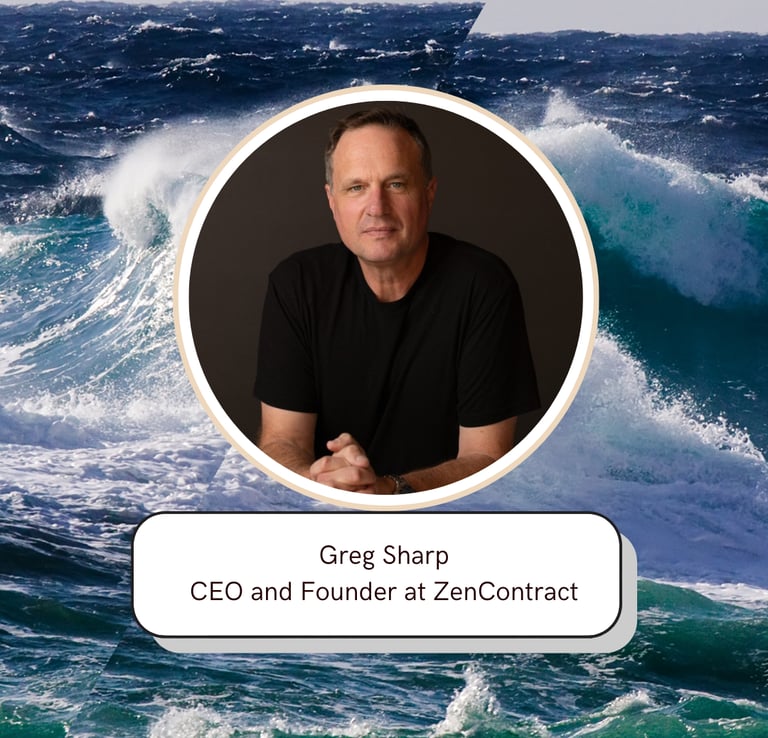
In the world of managed services, there is a common misconception that success is built solely on technical prowess. After three decades of building and scaling Australian MSPs, Nick and I have seen that while technical skill is the baseline, the true engine of a sustainable, scalable, and ultimately saleable business is operational maturity. One of the most overlooked components of this maturity is the formalisation of client relationships through robust, automated agreements. Many MSP owners shy away from the word "contract," fearing it implies a rigid "lock in" that might scare off potential clients. However, our experience has taught us that a well structured agreement is actually a tool for building trust and clarity. It defines the boundaries of the partnership, sets expectations for service delivery, and provides the legal framework that protects both the provider and the client. In this episode of MSP Mastery: Ctrl Alt Deliver, we are joined by Greg Sharp, founder of Zen Contract and former owner of Base 2, whose journey from a garage startup to a 10x multiplier exit reinforces the frameworks we have championed for years.
MSP Mastery
4/16/20265 min read
The Strategic Value of the Agreement: Lessons from 30 Years in MSP Mastery
In the world of managed services, there is a common misconception that success is built solely on technical prowess. After three decades of building and scaling Australian MSPs, Nick and I have seen that while technical skill is the baseline, the true engine of a sustainable, scalable, and ultimately saleable business is operational maturity. One of the most overlooked components of this maturity is the formalisation of client relationships through robust, automated agreements.
Many MSP owners shy away from the word "contract," fearing it implies a rigid "lock in" that might scare off potential clients. However, our experience has taught us that a well structured agreement is actually a tool for building trust and clarity. It defines the boundaries of the partnership, sets expectations for service delivery, and provides the legal framework that protects both the provider and the client. In this episode of MSP Mastery: Ctrl Alt Deliver, we are joined by Greg Sharp, founder of Zen Contract and former owner of Base 2, whose journey from a garage startup to a 10x multiplier exit reinforces the frameworks we have championed for years.
The Foundation of Scalability and Governance
Scaling an MSP requires moving away from manual, ad hoc processes toward repeatable, automated systems. In our 30 years, we have observed that the "bottleneck" in many growing firms is the owner’s involvement in every proposal and agreement. Without a standardised framework for how services are sold and documented, the business remains tethered to the founder’s personal capacity.
Greg’s experience at Base 2 perfectly illustrates this principle. As his business grew to over 50 people, the manual overhead of managing hundreds of individual service agreements became a liability. He shared a poignant lesson about a staff member who inadvertently locked the business into a three year contract that lost money every month because there were no governance checks in place. This is a classic example of what happens when an MSP lacks a centralised system for agreement management. By implementing a framework that includes delegated levels of authority and automated templates, owners can ensure that every deal leaving the building meets profitability and risk standards without needing to personally touch every document.
Shifting the Narrative from Lock In to Partnership
One of the primary hurdles MSP owners face is the psychological barrier to asking for long term commitments. We have always maintained that an agreement is not about trapping a client; it is about guaranteeing a level of service and resource allocation. If you are providing exceptional service, the term of the agreement is merely a formality that reflects the stability of the partnership.
Greg reinforces this by highlighting that every professional agreement should include a clear "out clause" for poor performance. This transparency actually builds confidence. When you present a clear, concise document that outlines exactly what is in scope and what is out of scope, you are demonstrating that you have your house in order. It removes the ambiguity that often leads to "scope creep" and client dissatisfaction. In our view, the most organised person in the room usually wins the trust of the client, and a professional agreement process is the ultimate expression of that organisation.
Protecting the Business from Catastrophic Risk
The modern threat landscape has made the "Master Services Agreement" (MSA) more critical than ever. We have seen far too many MSPs operating on "handshake deals" or outdated letters of engagement that offer zero protection in the event of a security breach or data loss. A robust MSA should underpin every client relationship, specifically addressing limitation of liability.
Greg shared a sobering story of an MSP that saw 15 clients hit by ransomware simultaneously. Because they had a solid limitation of liability clause in their agreements, the resulting legal and financial fallout was manageable rather than business ending. Without that protection, the MSP would likely have folded under the weight of unlimited claims. We cannot stress enough that every client, whether they are buying a single project or a full managed service suite, must sign an MSA that limits your exposure to a reasonable amount, such as one or two months of service fees. This is not just good legal practice; it is essential risk management for any business owner.
Grooming the Business for a Premium Exit
Perhaps the most compelling argument for buttoning up your agreements is the impact on your business’s valuation. When Nick and I look at MSPs for potential acquisition, the first thing we evaluate is the quality of their recurring revenue. A client list is not a business; a portfolio of signed, multi year agreements is an asset.
Greg’s exit from Base 2 at a 10x multiplier was not an accident. He spent over two years grooming the business for sale, with a heavy focus on getting every client resigned onto three year agreements. He estimates that at least two or three "turns" of his multiplier were directly attributable to having his contracts buttoned up and his forward revenue clearly documented in a data room. For a buyer, this represents certainty. It proves that the revenue is not dependent on the founder’s personal relationships but is a contractual obligation to the entity. If you want to achieve a premium exit, you must treat your agreements as the primary evidence of your business’s value.
The Hero Moment: The Fiji MRR Accelerator
A standout moment in our discussion with Greg was his "Church Steeple" initiative at Base 2. To drive growth and prepare for exit, he created a visual tracker for Monthly Recurring Revenue (MRR) in the office. When the team hit a significant stretch target, he took the entire company to Fiji.
This story is a masterclass in leadership and alignment. By involving the whole team in the goal and making the reward tangible, he turned a business objective into a shared mission. Crucially, he also empowered his leadership team to run the business during this period, ensuring that the company was not "founder dependent." This level of operational maturity is exactly what high value acquirers look for: a business that can grow, perform, and even celebrate without the owner being the single point of failure.
Conclusion: Building a Legacy of Maturity
The journey from a technical service provider to a mature MSP owner is defined by the systems you put in place to protect and scale your vision. As we have discussed in this episode of MSP Mastery: Ctrl Alt Deliver, the agreement process is not a bureaucratic hurdle; it is a strategic asset. It provides the governance needed to scale, the clarity needed to build trust, and the legal protection needed to survive in a complex world.
Whether you are looking to grow your team or preparing for an eventual exit, the patterns of success remain the same. Focus on your frameworks, automate your processes, and ensure your revenue is protected by professional agreements.
If you are looking to elevate your service delivery or want to discuss how to better prepare your MSP for growth and exit, Nick and I would love to connect. Reach out to the MSP Mastery team to continue the conversation and start building the business you deserve.