Why Operational Simplicity Still Wins in Modern MSPs
After more than 30 years building and scaling MSPs, Nick and I have learned that most operational pain inside an MSP is self inflicted. It rarely comes from a lack of effort. It usually comes from complexity that has quietly crept into the business over time. Extra tools. Inconsistent processes. Custom workarounds. Naming conventions that made sense to one technician five years ago but confuse everyone else today. This episode of MSP Mastery: Ctrl Alt Deliver with Adam Ross from Cloud Olive reinforced something we have seen repeatedly across successful MSPs. The businesses that scale well are not necessarily the most technical or the most innovative. They are the ones that create operational clarity and consistency. Adam has spent years working alongside MSPs through his time at Autotask and now through Cloud Olive. That gives him a rare perspective. He sees the operational data behind hundreds of MSPs and the patterns are remarkably consistent. The MSPs that perform well are disciplined around process, tooling, and commercial visibility. The ones that struggle often create unnecessary complexity while trying to solve short term problems. For MSP owners, there are some very important lessons in this conversation.
MSP Mastery
5/12/20266 min read
Why Operational Simplicity Still Wins in Modern MSPs
After more than 30 years building and scaling MSPs, Nick and I have learned that most operational pain inside an MSP is self inflicted. It rarely comes from a lack of effort. It usually comes from complexity that has quietly crept into the business over time. Extra tools. Inconsistent processes. Custom workarounds. Naming conventions that made sense to one technician five years ago but confuse everyone else today.
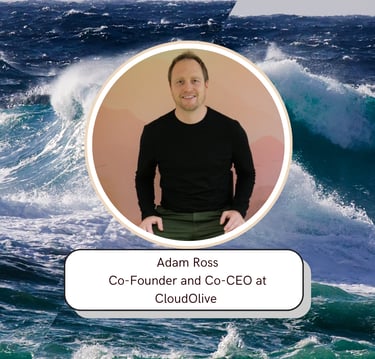
This episode of MSP Mastery: Ctrl Alt Deliver with Adam Ross from Cloud Olive reinforced something we have seen repeatedly across successful MSPs. The businesses that scale well are not necessarily the most technical or the most innovative. They are the ones that create operational clarity and consistency.
Adam has spent years working alongside MSPs through his time at Autotask and now through Cloud Olive. That gives him a rare perspective. He sees the operational data behind hundreds of MSPs and the patterns are remarkably consistent. The MSPs that perform well are disciplined around process, tooling, and commercial visibility. The ones that struggle often create unnecessary complexity while trying to solve short term problems.
For MSP owners, there are some very important lessons in this conversation.
The Hidden Cost of Operational Complexity
One of the biggest operational mistakes we see MSPs make is allowing their PSA and billing environment to become chaotic over time. It starts innocently enough. A custom agreement for one client. A special pricing structure for another. A technician creates a workaround because it is quicker in the moment.
Ten years later the business has dozens of inconsistent service names, billing mismatches, duplicated products, and reporting nobody fully trusts.
Adam explained that one of the clearest indicators of MSP maturity is the consistency of service naming conventions inside the PSA. We completely agree. A clean PSA is not just an admin issue. It reflects leadership discipline across the business.
When an MSP has structured services properly, month end billing becomes easier, reporting becomes more accurate, onboarding staff becomes simpler, and profitability becomes clearer. Most importantly, it reduces the likelihood of revenue leakage or client trust issues.
We have seen firsthand how damaging billing inconsistencies can be. Clients will often forgive mistakes when they are handled transparently and quickly. What destroys trust is discovering a problem that has existed for years without anyone noticing.
Adam shared examples of MSPs billing for products that were never deployed, or continuing to bill for services long after they should have been removed. Those situations are not simply accounting problems. They damage credibility.
Strong MSPs understand that operational maturity is built on consistency, not clever workarounds.
Tool Consolidation Creates Scale
Another major theme from this episode was tool sprawl. This is something Nick and I know extremely well because we made these mistakes ourselves.
Like many MSP owners, we would return from conferences excited about new platforms and shiny tools that promised to solve every operational challenge. Sometimes they helped. Often they added another layer of complexity without fixing the underlying issue.
Adam made a critical point that the MSPs scaling successfully are consolidating vendors wherever possible. That does not mean blindly standardising for the sake of it. It means intentionally choosing strategic platforms that support operational efficiency and long term growth.
Nick reflected during the episode on moving DWM from multiple backup products into a single standardised platform. That decision simplified training, reduced risk, improved support consistency, and strengthened vendor relationships.
This is one of the most overlooked leadership decisions inside MSPs. Every additional tool creates hidden operational overhead. More vendor relationships. More training requirements. More onboarding complexity. More support risk when only one technician understands a particular platform.
Operational scale does not come from adding more systems. It comes from reducing friction.
The best MSPs are ruthless about simplifying wherever possible. They know that every exception eventually becomes operational debt.
Automation Only Works When Process Exists First
Automation is one of the most discussed topics in the MSP industry right now, but many MSPs are approaching it backwards.
Adam raised an important caution during the conversation. Automation that sits on top of broken or inconsistent processes simply allows businesses to make mistakes faster.
That aligns perfectly with what we see in service delivery consulting. Before automation can create value, the underlying process needs to be stable, repeatable, and clearly understood.
Too many MSPs jump into automation projects hoping technology will compensate for operational inconsistency. It rarely works that way.
The more mature MSPs approach automation incrementally. They identify repetitive tasks, remove unnecessary variation, and then automate carefully with visibility and controls in place.
Adam described some MSPs that have achieved remarkably advanced onboarding and offboarding automation. However, those businesses did not achieve it accidentally. They made deliberate strategic investments over time. In many cases they committed entire quarters to refining operational workflows.
That is an important reality check for MSP owners. Meaningful automation is not a quick fix. It requires process maturity first.
For most MSPs, the biggest wins still come from basic operational discipline. Clean data. Consistent processes. Standardised service structures. Accurate documentation. Once those foundations exist, automation becomes far more effective and far less risky.
Strong Vendor Relationships Still Matter
One area that often gets overlooked in operational discussions is the importance of vendor relationships. This episode highlighted just how valuable those relationships remain.
The strongest MSPs do not treat vendors as transactional suppliers. They build genuine partnerships. That creates benefits far beyond pricing.
Vendors are far more likely to refer opportunities, provide strategic support, assist with escalations, and invest in MSPs they trust. Adam made the point that vendors notice operational maturity. They notice which MSPs are consistent, focused, and aligned with their platforms.
That matters because net new business is becoming increasingly competitive. As Adam pointed out, most organisations that want an MSP already have one. Much of the market movement now comes from dissatisfaction with an existing provider.
That means retention and client experience become even more important. MSPs cannot rely purely on technical capability anymore. They need operational consistency, commercial maturity, and strong relationships both with clients and strategic vendors.
We have always believed that reputation compounds over time in this industry. The relationships you protect today often create opportunities years later.
The Real Growth Constraint for MSP Owners
The most important insight from this episode was not about tooling or automation. It was about leadership.
Adam spoke openly about the accidental entrepreneur pattern that exists across many MSPs. Technical founders often remain deeply operational because that is where they feel comfortable. They continue solving technical problems long after the business needs them focused elsewhere.
This is one of the biggest growth ceilings we see inside MSPs.
At some point, the founder has to transition from technician to business leader. That means becoming more externally focused. Building relationships. Creating growth opportunities. Developing commercial confidence. Leading strategically rather than reactively.
It is uncomfortable work for many technical founders because it sits outside their original skillset. However, staying buried in operational detail eventually limits business growth.
Nick shared his own experience of attending client industry events rather than only MSP conferences. That shift matters. MSP owners need to spend time where their clients are, understanding business challenges and building relationships.
The MSPs that break through growth ceilings are usually led by founders willing to evolve their role.
That does not mean abandoning technical knowledge. It means recognising where leadership creates the greatest value for the business.
Building a Better MSP Through Simplicity
This episode of MSP Mastery: Ctrl Alt Deliver reinforced something Nick and I have believed for decades. Sustainable MSP growth is rarely about chasing the newest tool or trend. It comes from operational simplicity, disciplined leadership, and intentional decision making.
Adam Ross brought valuable insight from seeing operational patterns across hundreds of MSPs globally. His experience validates what we have seen throughout our own journey building and scaling MSPs in Australia.
The businesses that scale successfully are not perfect. They are simply more consistent. They standardise where it matters. They simplify relentlessly. They build strong relationships. They invest in operational maturity before chasing complexity.
Most importantly, they understand that growth requires leadership evolution.
If this conversation resonated with you, it might be time to step back and assess where unnecessary complexity has crept into your business. Sometimes the next stage of growth does not require adding more. It requires simplifying what already exists.
At MSP Mastery, these are exactly the conversations we love having with MSP owners and service leaders. If you are navigating growth challenges, operational bottlenecks, or service delivery maturity, reach out to Jeni, Nick, and the MSP Mastery team. Sometimes a fresh perspective is all it takes to uncover the next opportunity for improvement.